Danfung Dennis received his first camera from his father at thirteen. He went on to study economics at Cornell, but it was the work of war photographers — particularly James Nachtwey's Inferno — that left an indelible mark. He taught himself photography and, when he felt ready, went.
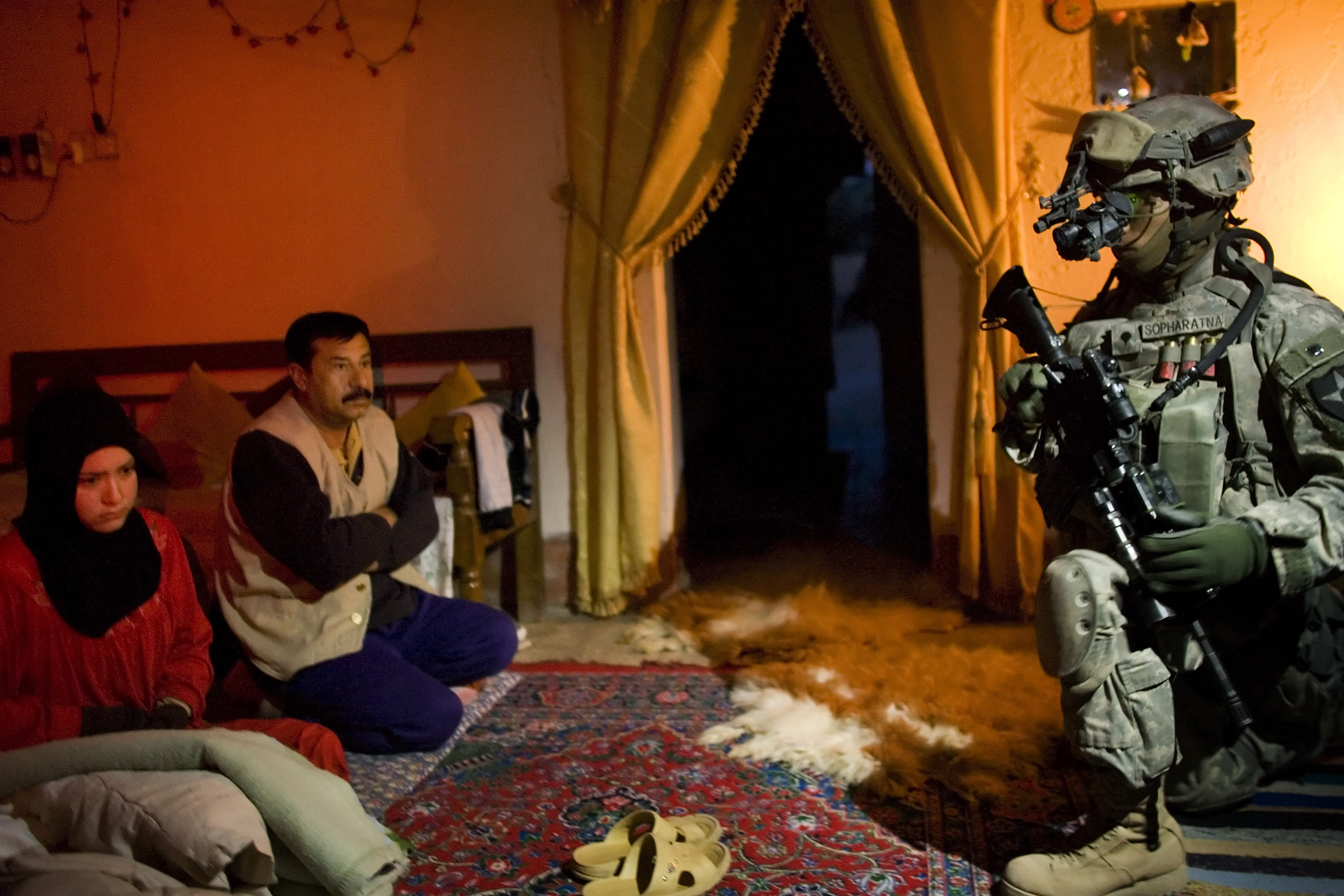
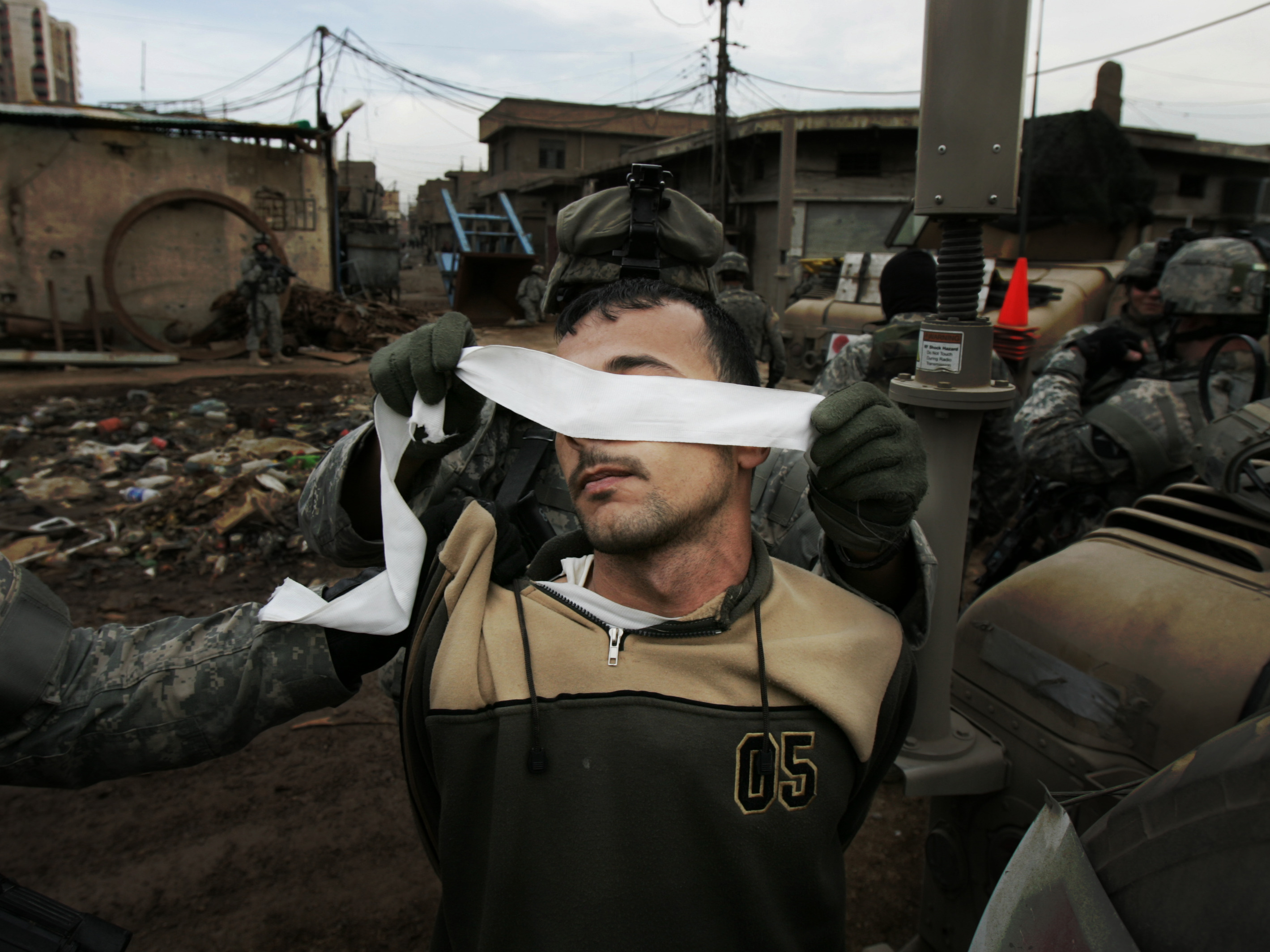
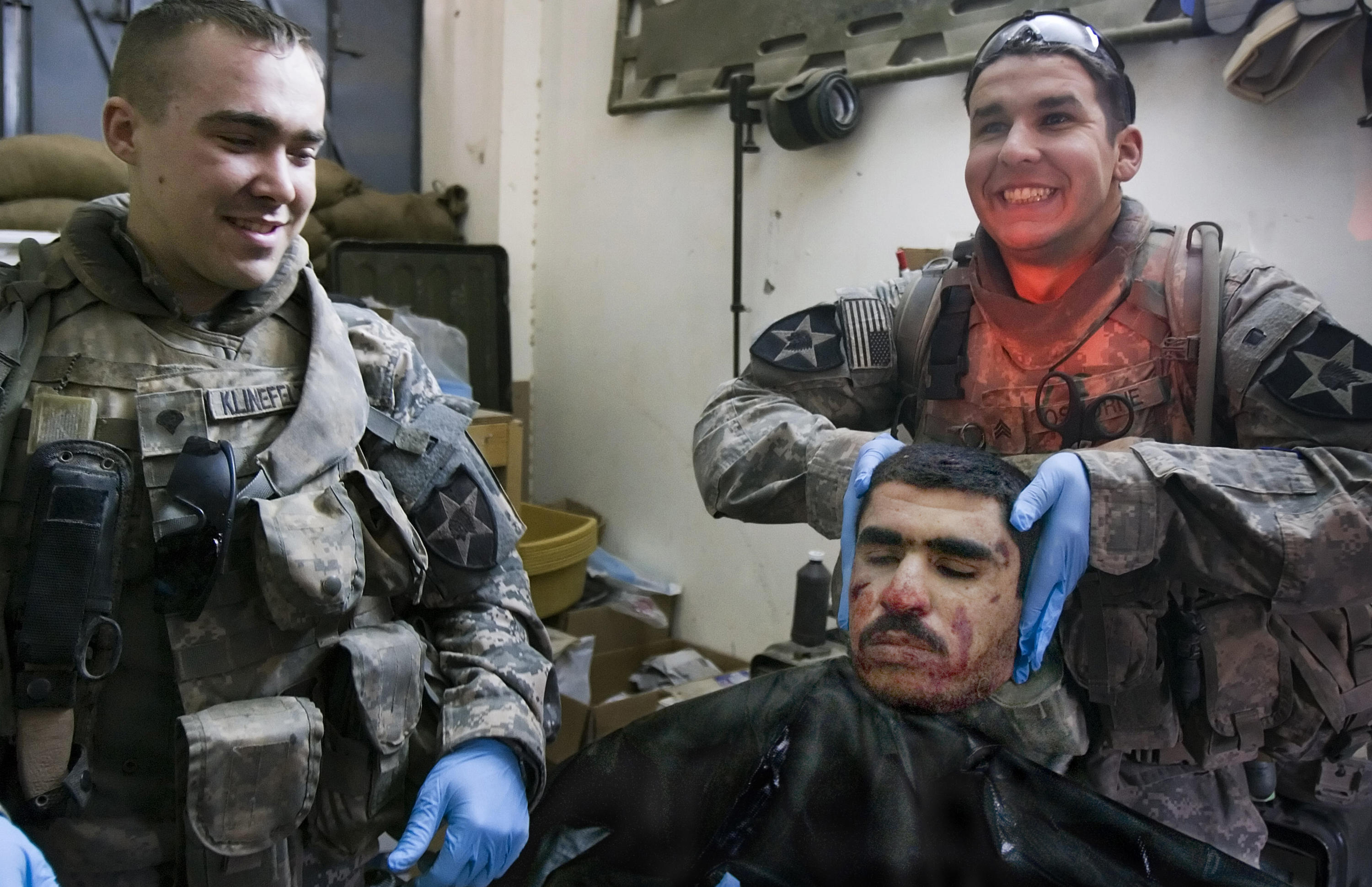
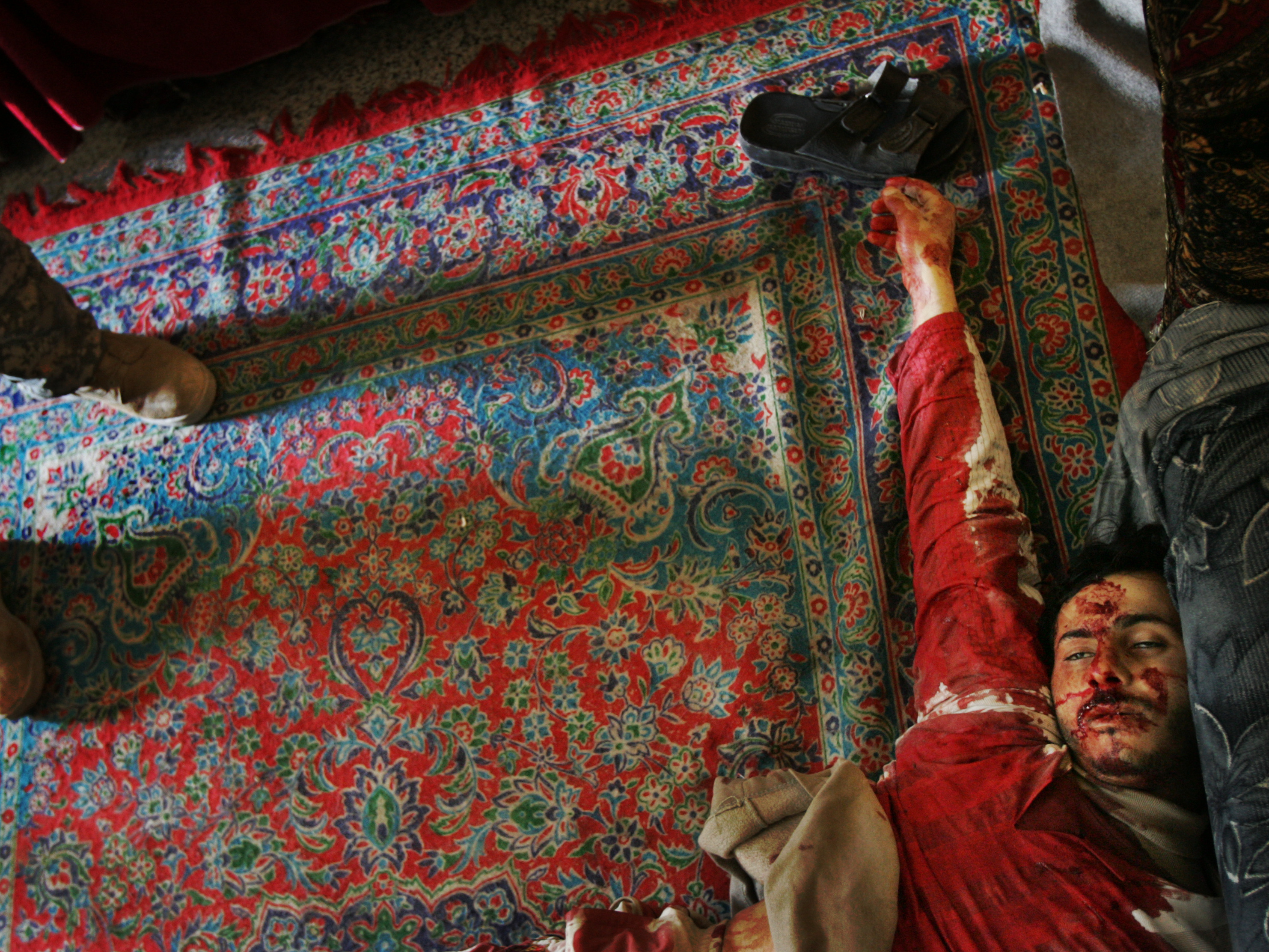
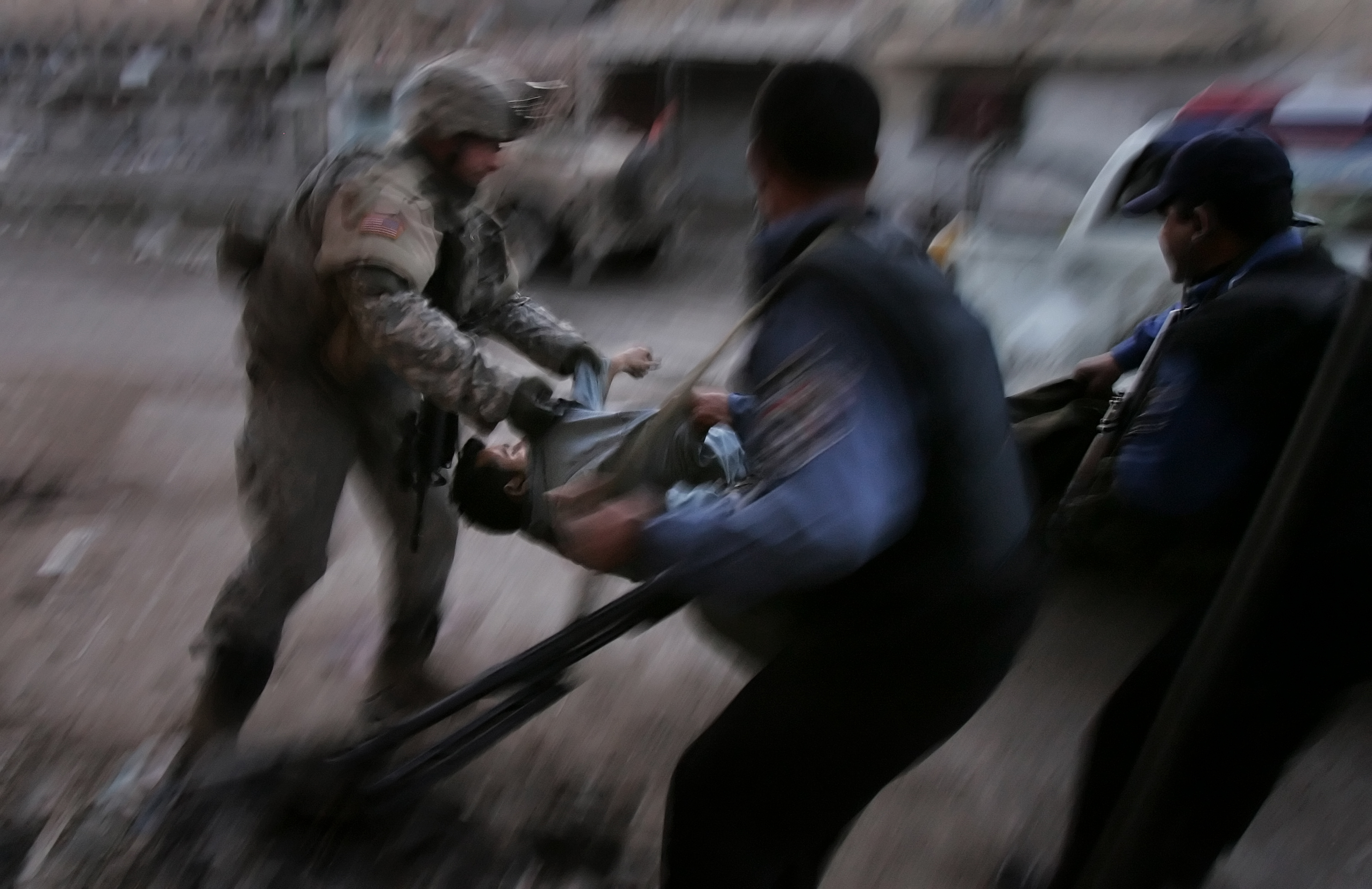
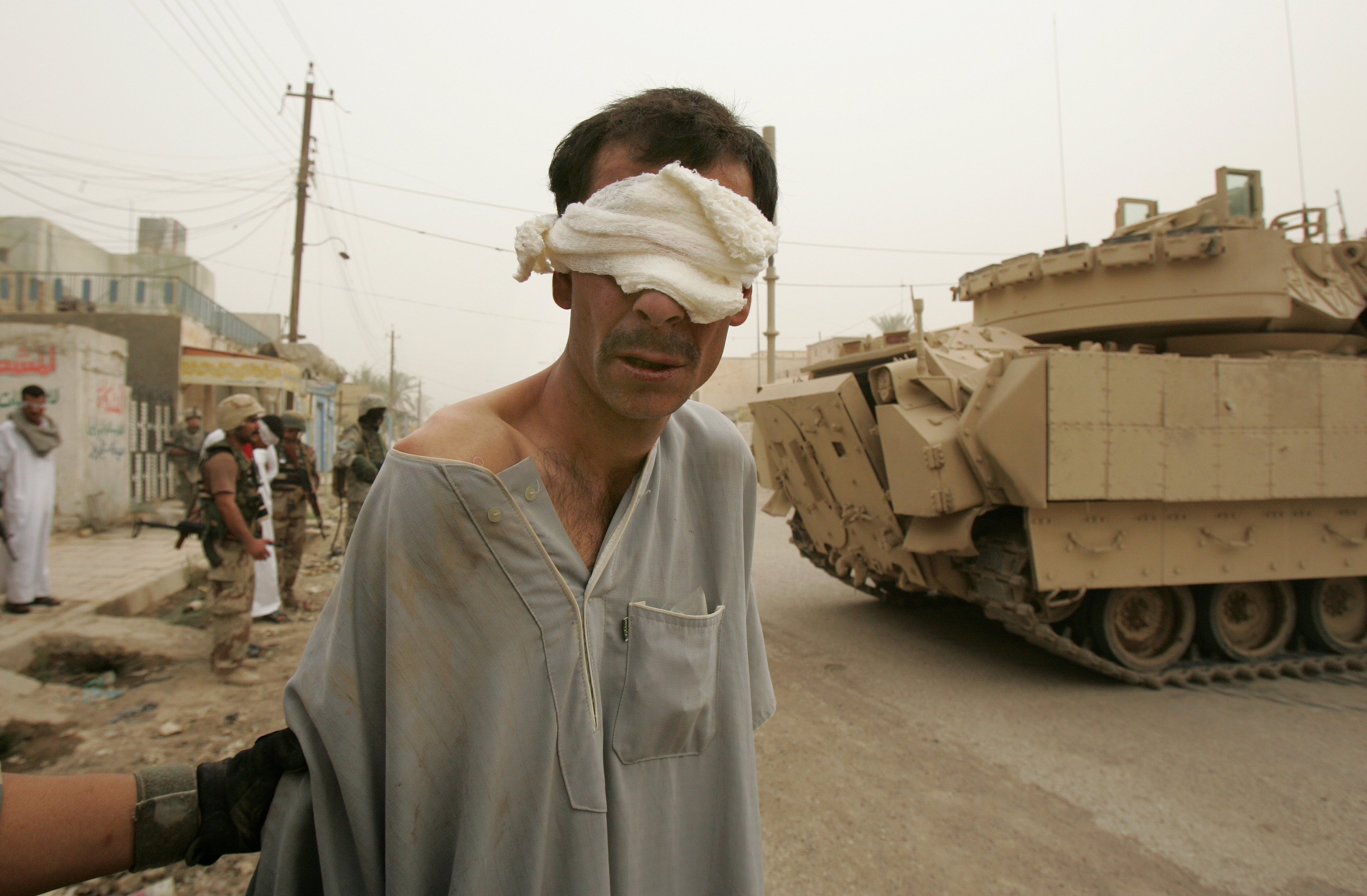
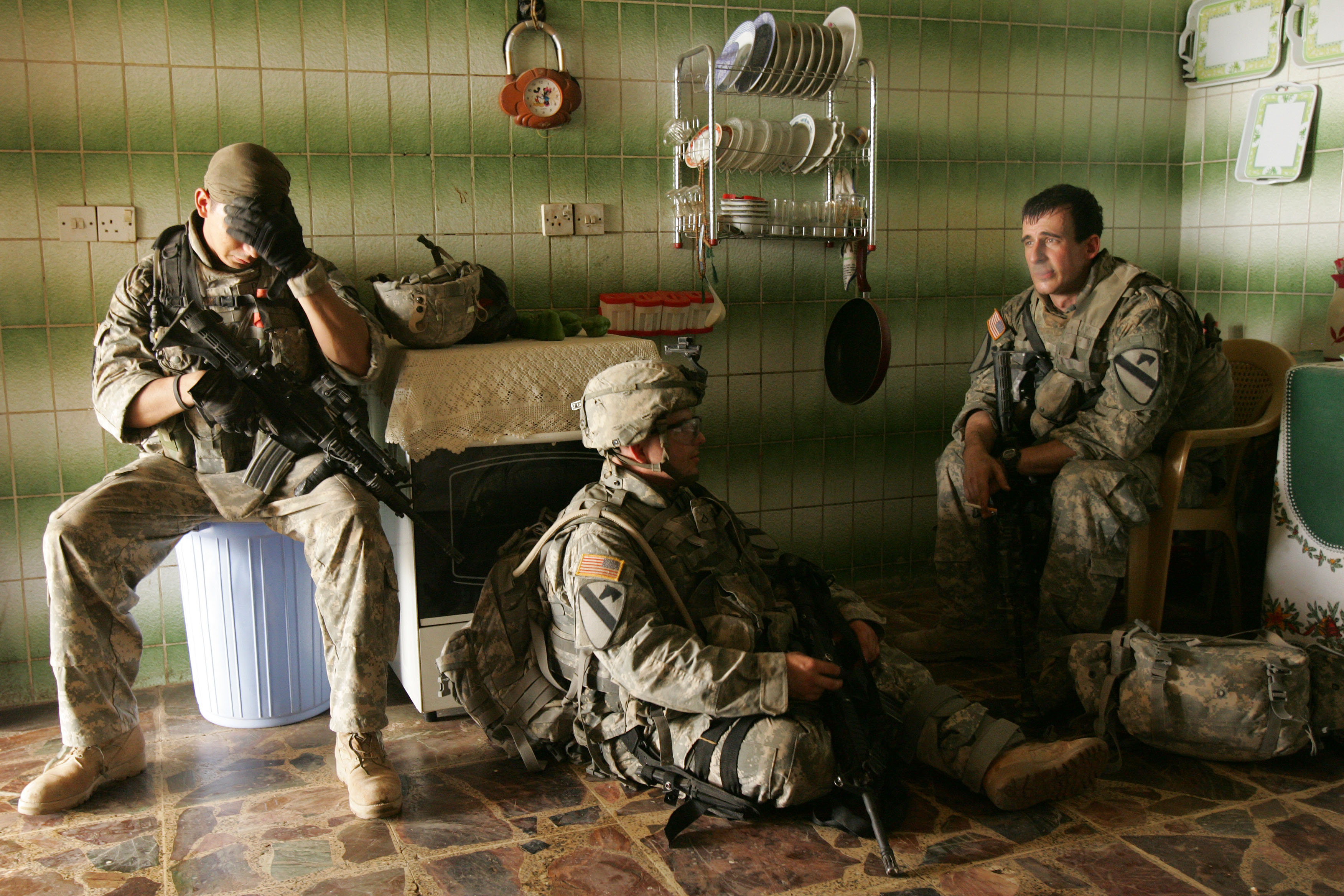
He arrived in Afghanistan in 2006 alone, without assignments or contacts, carrying a camera and an idea. On his second day in Kabul, a massive anti-American riot erupted and he walked straight into it. A man charged him with a broken shovel; another grabbed him from behind. He broke free and ran through the streets with a mob at his heels until a stranger in a white car threw open the door and pulled him to safety. The images he sent back that night were published in The New York Times, and he soon began working regularly as a freelance photojournalist across Iraq and Afghanistan — bearing witness to a conflict most people at home experienced only as headlines.
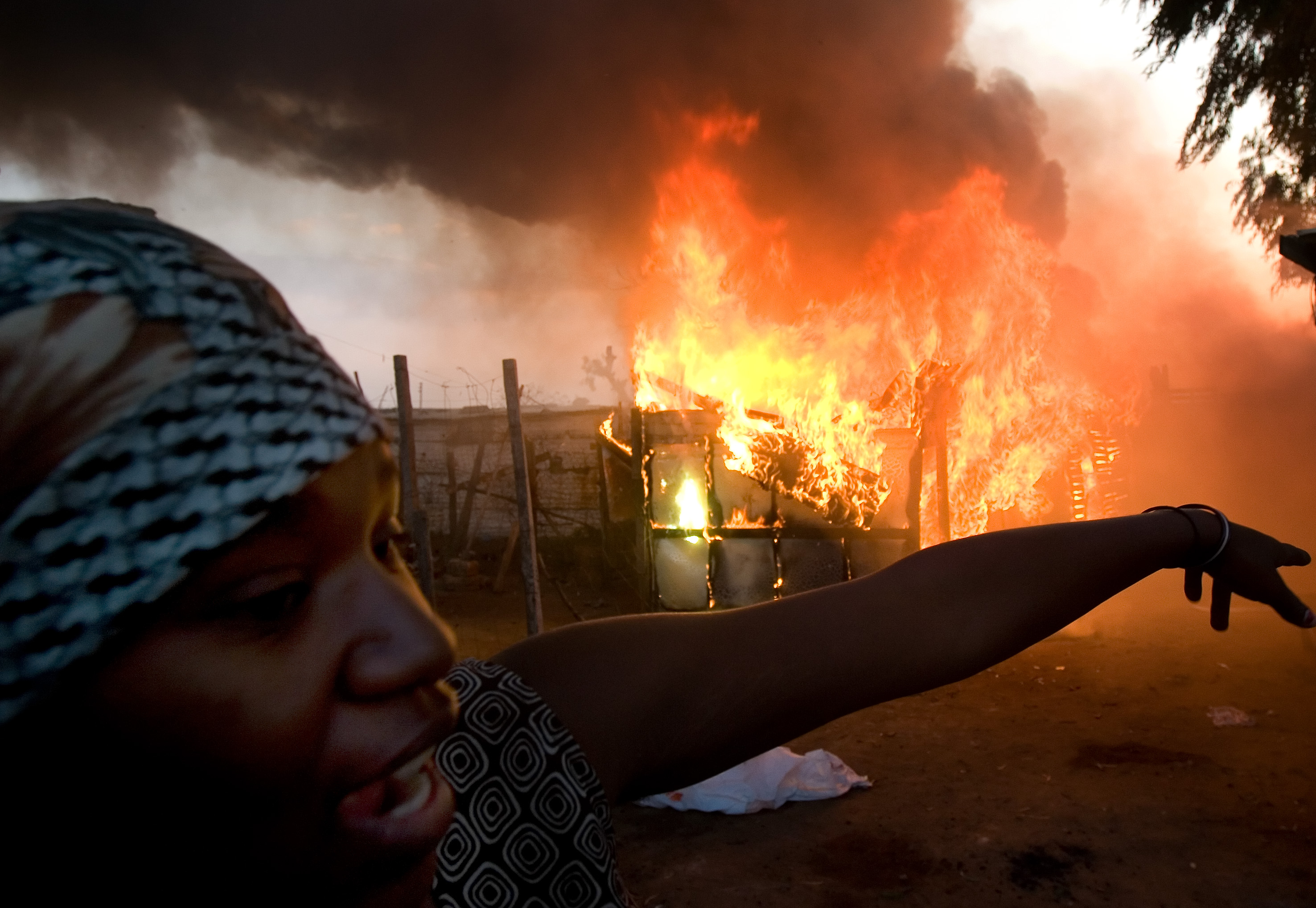
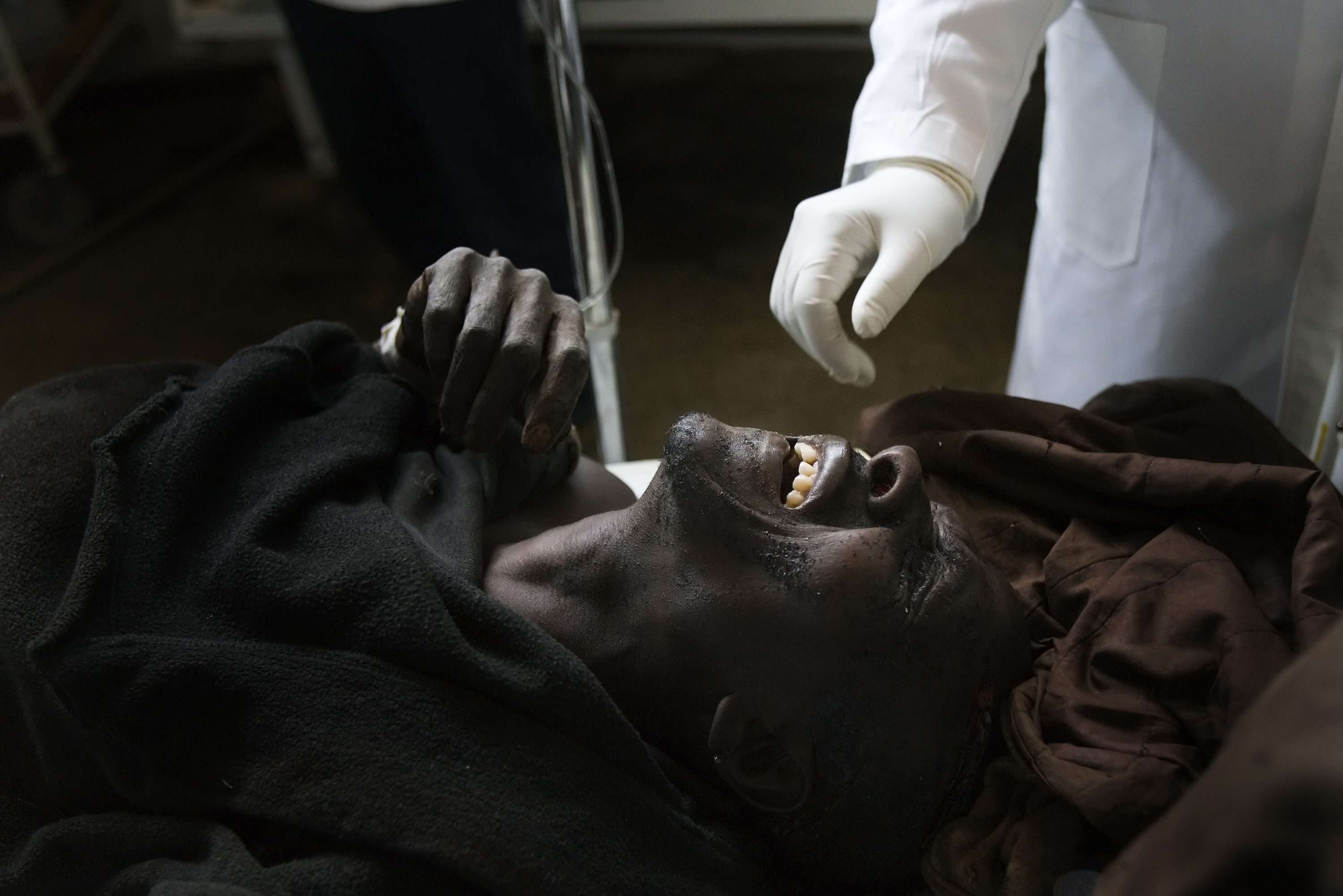
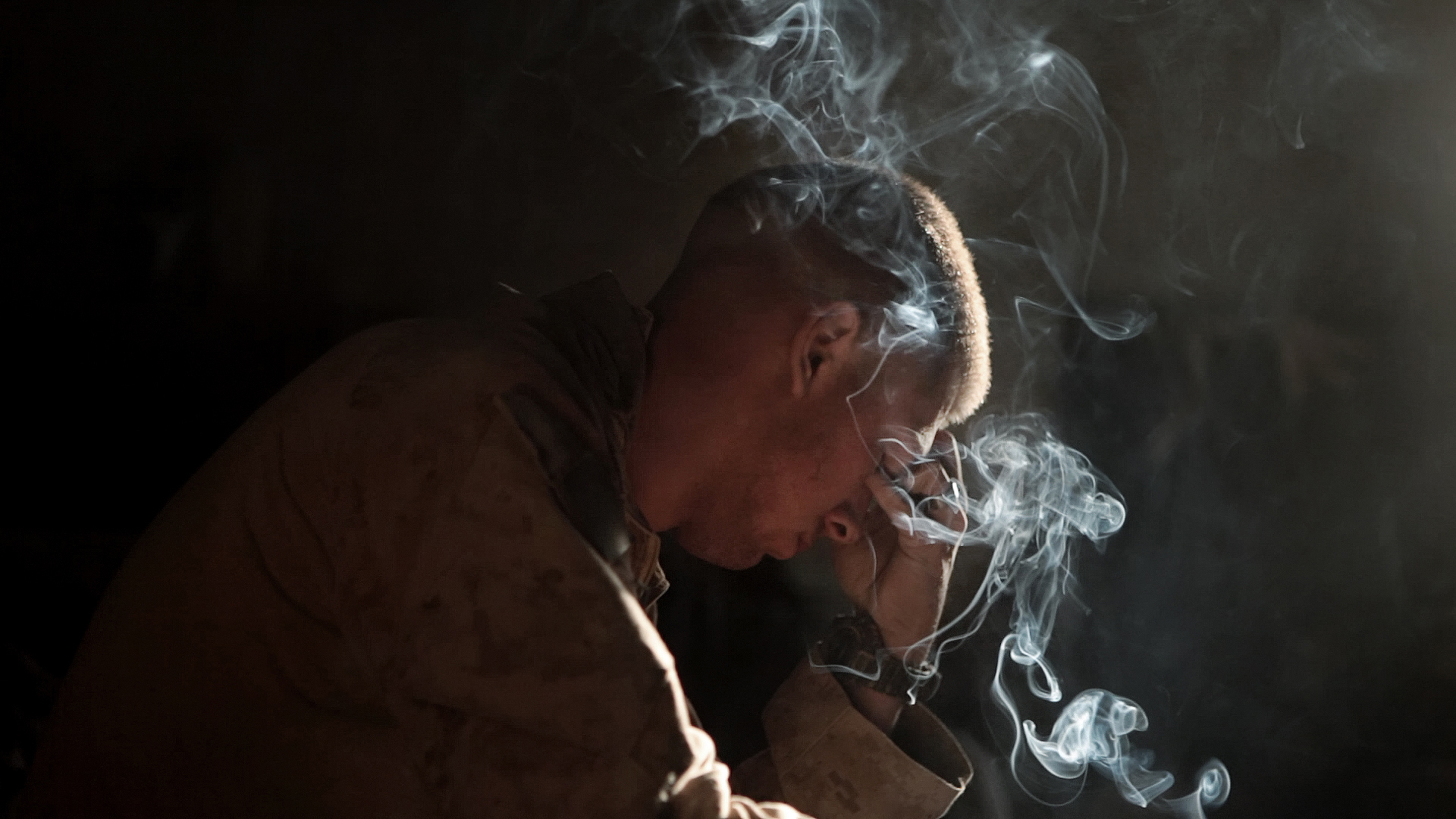
After years of covering war, Dennis grew frustrated with what he saw as a collective numbness to the photographs — the same sanitized images recycled endlessly, a clean version of war made acceptable for consumption. He needed to find another way to shake people from their indifference.
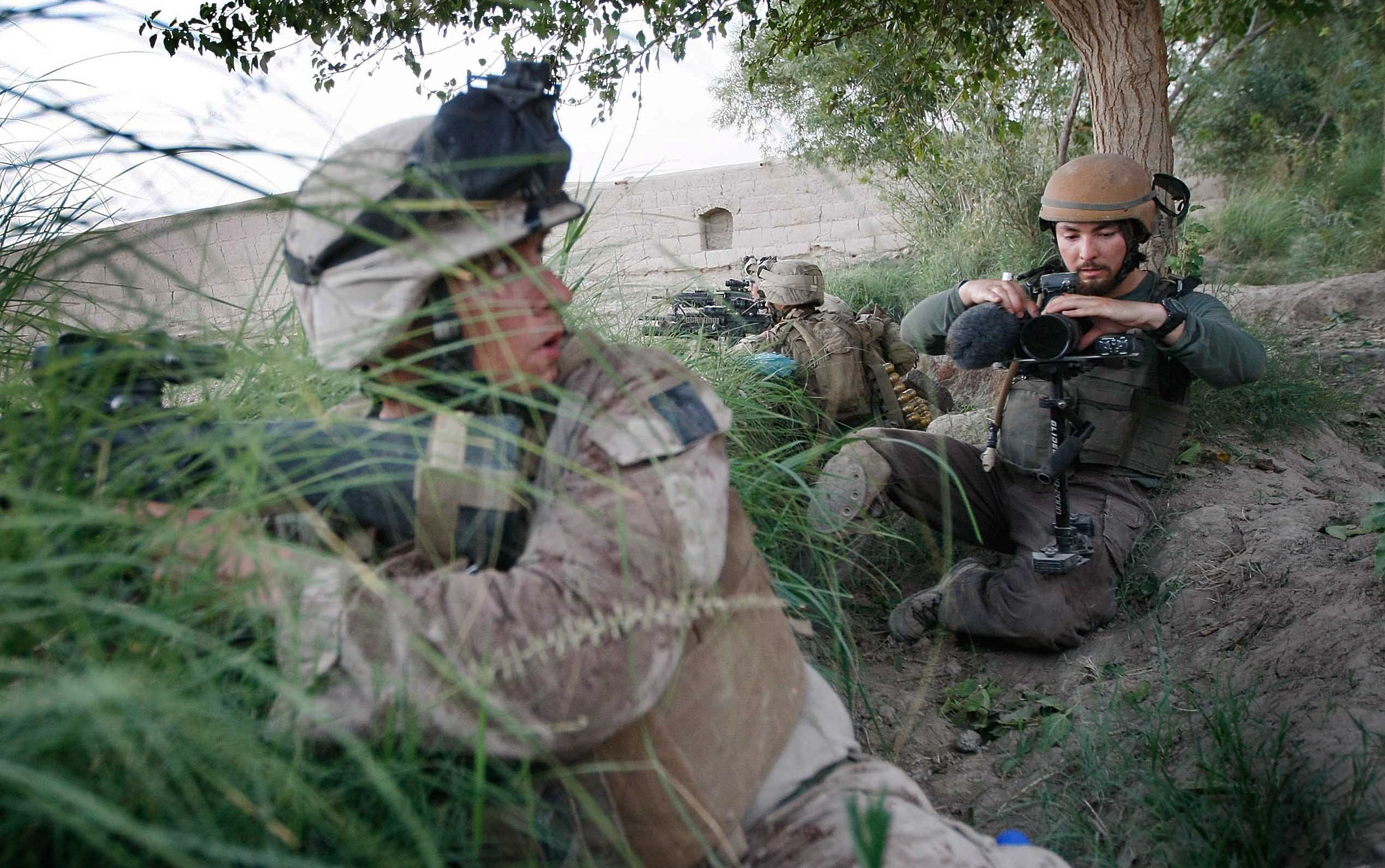
Photo: Joe Raedle
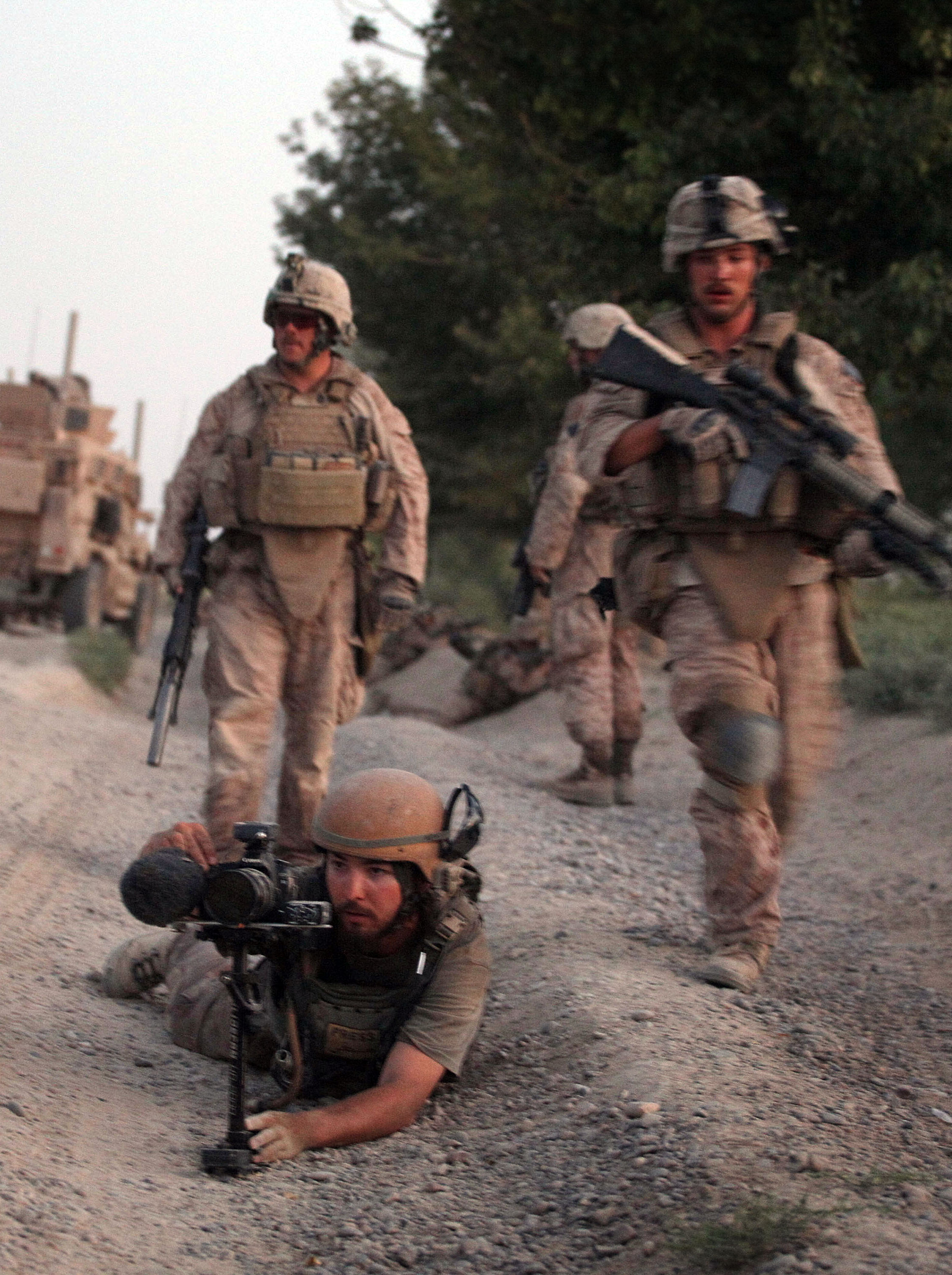
He picked up a Canon 5D Mark II and began shooting video, bringing the aesthetics and ethics of photojournalism into moving images. In the 130-degree heat of Helmand Province, the camera would overheat within minutes. Dust jammed the shutter button on the first day of the largest Marine offensive since Vietnam — 4,000 Marines airlifted into a Taliban stronghold. He scratched it out with his fingernail, started recording, and got on the helicopters.
Embedded with Echo Company, 2nd Battalion, 8th Marines, he met Sergeant Nathan Harris on that brutal first day. Harris was the last man standing when nearly everyone else had collapsed from exhaustion and run out of water; he handed Dennis his own bottle. Months later, when the company returned home, Harris wasn't on the bus — he had been shot by a Taliban machine gun round and nearly bled to death.
Harris invited Dennis to his hometown of Yadkinville, North Carolina, where Dennis lived with Harris and his wife Ashley, documenting a warrior who couldn't put on his own socks, whose wife had to wash him in the shower — the other side of war that never makes it into the heroic narrative. The result was Hell and Back Again, shot entirely on a 5D with a custom stabilizer rig strapped to body armor. The film premiered at the 2011 Sundance Film Festival, where it won both the World Cinema Jury Prize and the Cinematography Award, and went on to receive an Academy Award nomination for Best Documentary Feature.
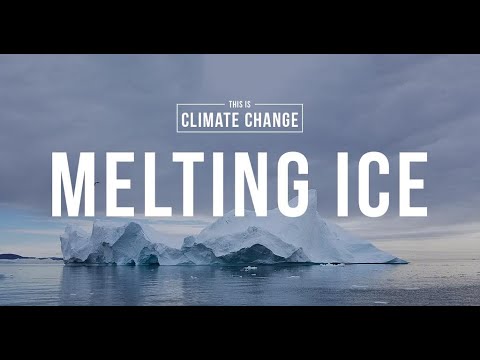
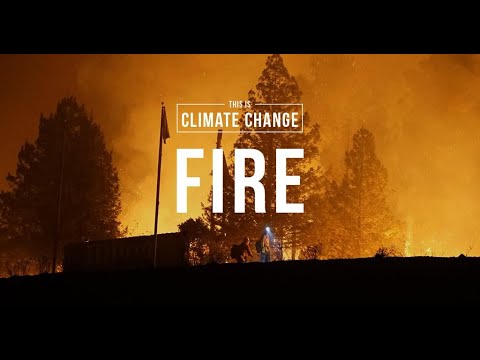
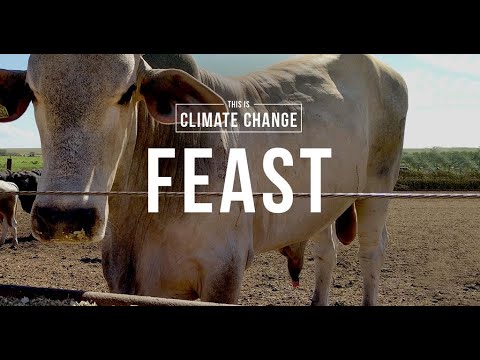
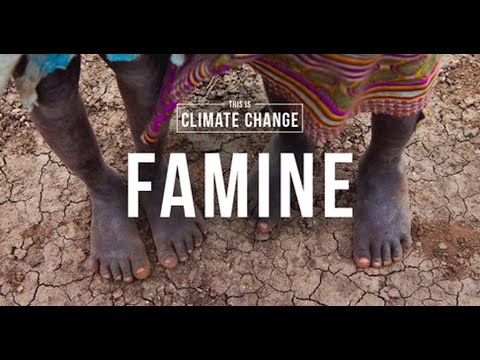
In 2013, seeking yet another way to close the distance between witness and experience, Dennis founded Condition One, a virtual reality production and technology studio. The company built proprietary camera systems and stitching software, producing immersive work for The New York Times, National Geographic, and Google, and premiered at Sundance three consecutive years. Its four-part VR series This is Climate Change transported viewers to the front lines of collapsing glaciers, burning forests, and famine.
He is based in the American West.
.JPG)
.JPG)